UK firm's container robots frame a house in a day as housing crunch intensifies
Automated Architecture ships shipping-container micro-factories with robot arms that cut and nail timber wall panels on site, claiming a typical home frame in one day at roughly 30% below crew costs.
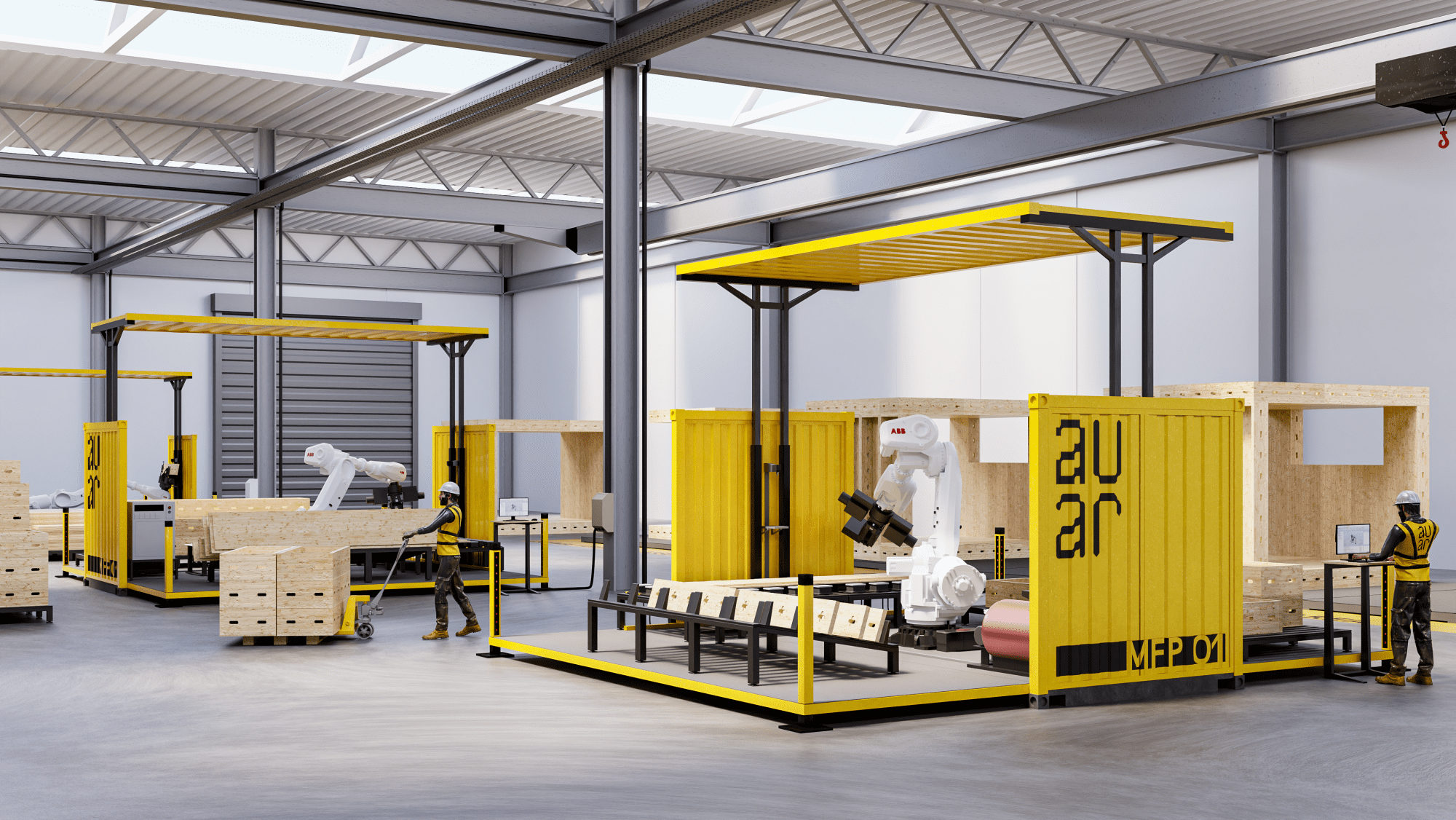
UK startup Automated Architecture, or AUAR (pronounced "our"), is pitching portable micro-factories as a way to speed up home construction while labor shortages bite the UK and US, according to a CNN Blueprint feature published in early March 2026. The company does not sell a robot you bring into a living room. It sells on-site timber framing to homebuilders who need walls, floors, and roofs assembled faster than a traditional crew can manage.
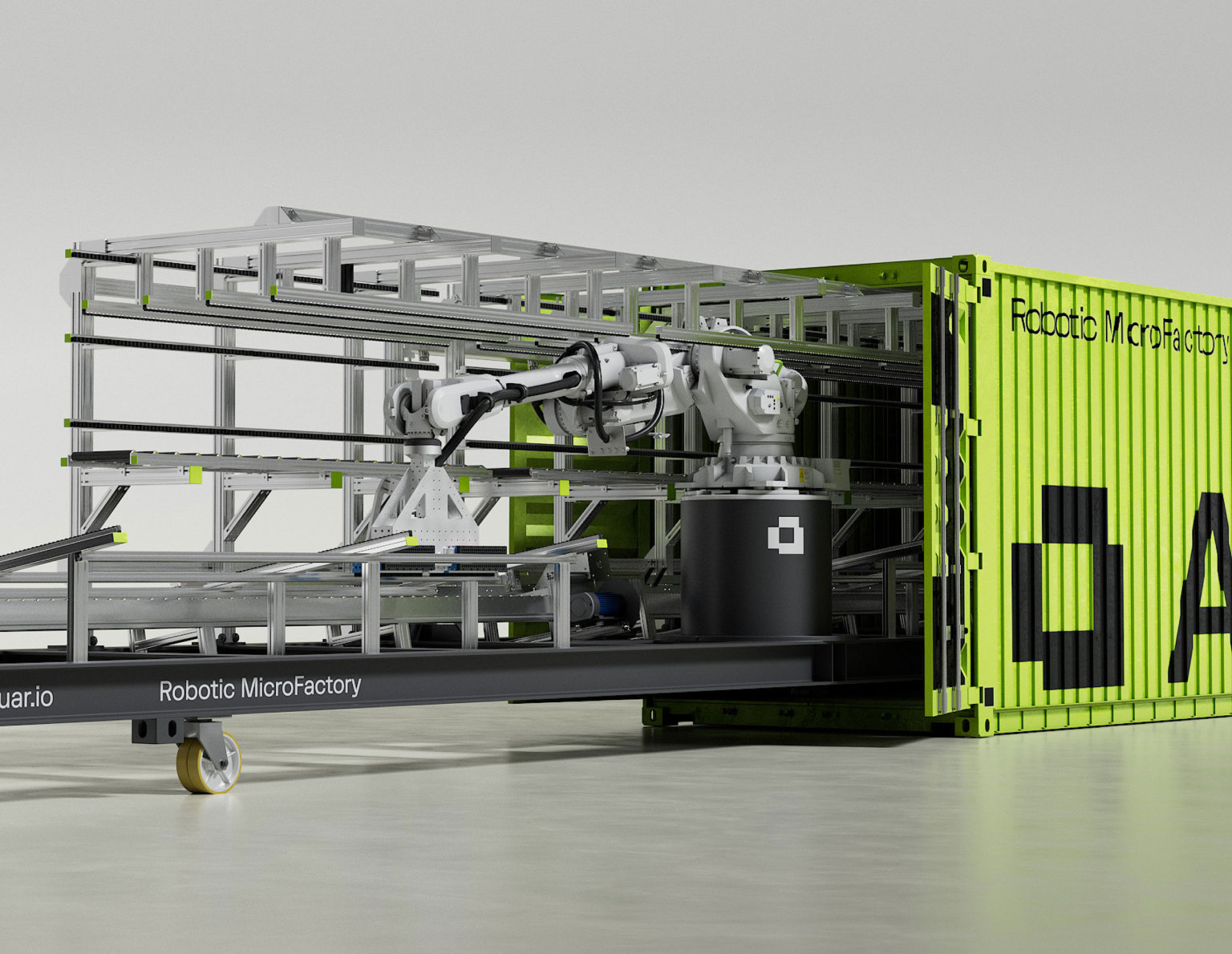
Co-founder Mollie Claypool frames the pitch as filling a gap, not replacing carpenters outright. AUAR charges builders by the square foot to produce timber panels. Homebuilders send building plans; AUAR's Master Builder software uses AI to count panels and estimate how much lumber to buy. A shipping-container factory arrives on site with an operator. Inside, a robotic arm measures, cuts, and nails timber into panels up to 22 feet (6.7 meters) long, leaving openings for windows and doors and drilling routes for wiring and plumbing. Contractors then fit the panels by hand.
Speed, cost, and scale claims
AUAR says one micro-factory can frame a typical house in about a day, work it pegs at four weeks for a normal timber crew, and that the system can handle buildings up to seven stories. Claypool told CNN the service runs about 30% cheaper than a standard timber framing crew and up to 15% cheaper than buying panels from large off-site factories and trucking them in.
The company also argues the robots react to knots and bends in natural lumber, cutting waste, and that tighter panel fit improves insulation and energy efficiency. AUAR launched in 2019 with co-founder Gilles Retsin after both worked on automation at University College London's Bartlett School of Architecture. It has raised about £7.7 million ($10.3 million) to date and says three micro-factories are running in the US and EU, with five more set for delivery in 2026.
Why housing politics matter for robotics
The UK faces a familiar squeeze: the Construction Industry Training Board warned the country needs 250,000 more workers by 2028, while the government pledged 1.5 million new homes by 2029. England added about 208,600 net dwellings in the 2024–2025 financial year, down 6% year over year, per government figures cited in the CNN piece. AUAR is betting more of those homes will be timber-framed, which Bangor University research quoted in the story ties to roughly 20% lower greenhouse gas emissions than brick, though UK builders remain wary of wood durability and fire risk.
The US is a bigger wood market: 94% of single-family homes built in 2024 were timber-framed, CNN notes, while analysts estimate a shortage of 1.5 to 5.5 million homes. AUAR partnered with US construction investor Rival Holdings in 2024 and says it has 600,000 square meters of panels in production, equal to hundreds of homes. Claypool's long-range target is 1,000 micro-factories by 2030, enough to frame on the order of 200,000 homes per year.
Competitors and limits
AUAR is not alone. Facit Technologies in London builds similar on-site micro-factories for timber components, and US-based Cuby Technologies ships modular manufacturing units that combine into larger setups. David Philp of the Chartered Institute of Building, who is not involved with AUAR, told CNN that culture and habit may matter more than the tooling: standards exist, but builders and buyers still default to brick-and-block assumptions.
What we do not have from this CNN story is a verified roll-out map beyond the three active factories, independent audit data on the 30% cost claim, or proof that AUAR's panels are showing up in finished homes at scale in the US. Treat this as a construction automation story. It is adjacent to the home robot market because faster, cheaper framing could change how many dwellings exist, but AUAR is not competing with companion bots or humanoid assistants in your kitchen.

Covers product launches, demos, and week-to-week moves in the home robot market.
Be the first to share a question or hands-on note.