Gatsby sends a humanoid robot to clean its first US apartment
Gatsby's flat $150 iOS booking in San Francisco marks what the company calls the first residential clean by a humanoid robot for a US consumer, with no human cleaner inside the home.
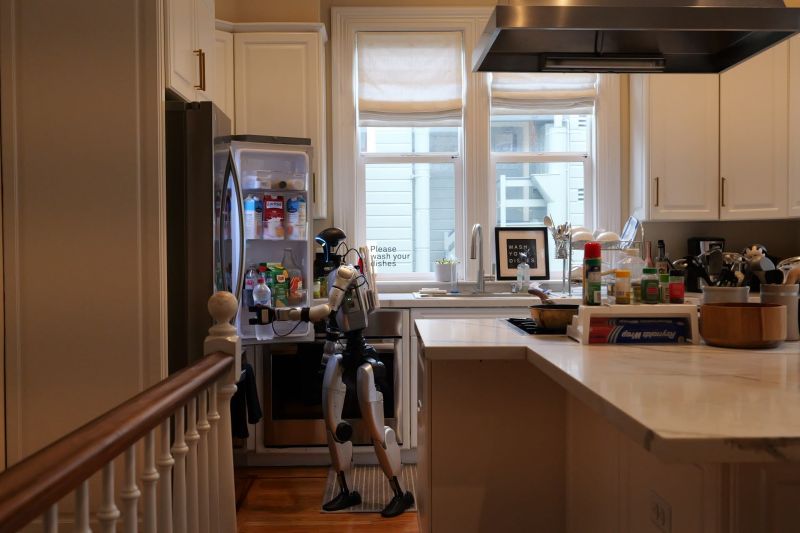
On May 14, 2026, San Francisco startup Gatsby says it completed the first residential cleaning service performed by a humanoid robot for a US consumer. The customer was picked at random from the company's local waitlist and booked through the Gatsby iOS app. According to Gatsby's press release and Business Wire coverage, no human cleaner was physically inside the apartment during the visit.
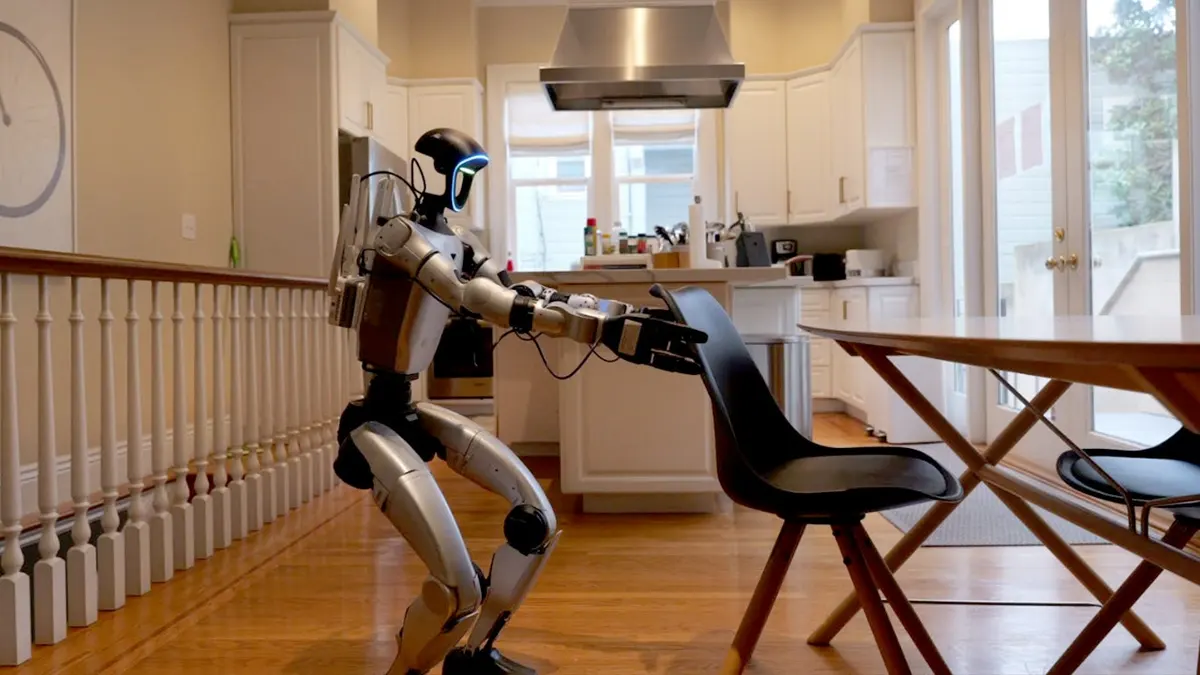
This is not a robot vacuum gig. Gatsby dispatches full-size humanoid robots that walk through the unit and handle chores such as dishes, surfaces, floors, bed-making, and laundry folding, per the company's service FAQ. One recent San Francisco clean ran from 8:42 a.m. to 11:47 a.m., about three hours, with a single robot and no human present on site.
How the booking model works
Gatsby operates like an on-demand home service rather than a hardware sale. Customers in San Francisco open the iOS app, pick a time, and pay a flat $150 per clean regardless of apartment size. Gatsby compares that with typical SF human cleaning quotes of $150 to $300, with no tips or size surcharges.
Founder Aron Frishberg, who left the University of Chicago to launch Gatsby in January 2026 under parent entity West Egg Labs, frames cleaning as a wedge into broader home robotics. The company is backed by NVIDIA Inception and Entrepreneurs First, according to founder notes and Interesting Engineering coverage.
Robot-agnostic, not robot-first
Unlike vendors racing to sell a $20,000-plus humanoid you store in a closet, Gatsby says it is building the consumer distribution layer on top of other makers' hardware. The company describes itself as robot-agnostic: it wants the booking app, navigation stack, and service ops, not a proprietary robot body locked to one supplier.
That matters for HomeBotRadar readers tracking Figure, 1X, Unitree, and similar platforms. Gatsby's bet is that the service layer (scheduling, liability, home entry, task templates) may arrive before most buyers want to own a humanoid outright.
What we do not know yet
Gatsby's public materials do not name the humanoid model used in the first clean, publish verified autonomy rates, or share independent video of the full session. The official press line is clear about no human physically in the home; trade coverage such as Automated Home describes a hybrid stack where routine work runs on the robot and harder steps may draw on remote human assistance, but Gatsby has not posted operator visibility rules or data-retention details in its launch FAQ.
The service is San Francisco only today, with a waitlist for other cities. One successful apartment visit is a milestone, not proof that humanoids can reliably clean diverse homes day after day.
What this means for HomeBotRadar
Gatsby is not joining the HomeBotRadar catalog. We track home and companion robots with specs, scores, and buy paths we can verify. Gatsby is an on-demand cleaning operator, not a robot SKU you can compare row-for-row with Neo or 1X NEO.
The signal is still worth watching: consumer humanoids are starting to show up as rented labor inside real apartments, not only as factory demos or research rigs. If Gatsby or a partner later ships a named home humanoid with confirmed dimensions, pricing, and a consumer purchase link, we will evaluate that hardware on its own merits.
We are not updating any robot scores on this story alone.

Covers product launches, demos, and week-to-week moves in the home robot market.
Be the first to share a question or hands-on note.