ASU parking attendant, 73, sues Starship after a delivery robot knocks her down
Trudy Perez alleges a Starship food-delivery robot reversed into her at an ASU Tempe garage in 2023, causing a spinal fracture. The case is set for a jury in early 2027.
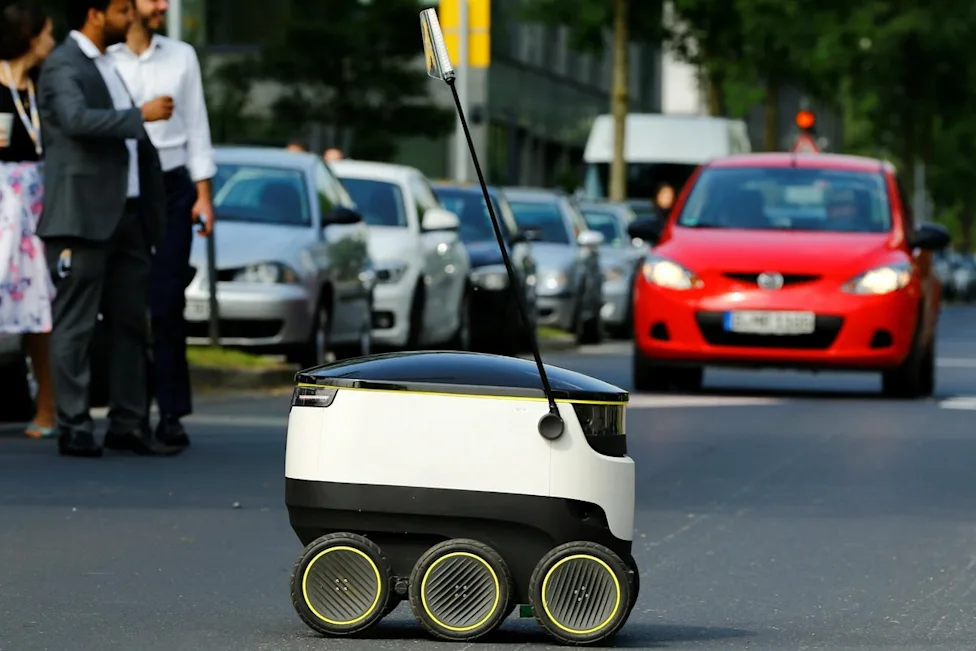
A 73-year-old Arizona State University parking attendant is taking Starship Technologies to court over a campus food-delivery robot collision. Yahoo News NZ republished The Independent on the suit, citing NBC affiliate 12 News. We are filing it for HomeBotRadar readers on July 25, 2026.
Trudy Perez says one of Starship's wheeled delivery bots knocked her down in a Tempe ASU parking structure in late 2023, leaving a spinal fracture and lasting impairment. Headline copy sometimes calls the machine a "drone." Court and police accounts describe a ground robot, the same six-wheeled campus delivery bots Starship runs on many universities.
What police and the complaint describe
According to ASU Police Department reporting summarized by KYMA and KJZZ:
- Perez was working in Parking Structure 1 when a white Starship robot crossed in front of her
- She waited, then walked behind it
- The robot reversed into her and knocked her onto her back
- It moved away, then reversed again toward her while she was still on the ground
- An officer noted an about 4-inch cut near her left elbow, back pain, and trouble walking
- Starship later gave police video from the robot and asked for her contact details for insurance and "promo codes"
Vrana Law Firm, representing Perez, said she suffered a spinal fracture and other injuries after the robot "suddenly changed direction" and reversed into her. The suit alleges Starship failed to operate the device safely, that the robot was still being tested and defective, and that a remote monitor failed to exercise control.
How Starship is answering
Starship has declined public comment on the active case in press coverage. Court filings reviewed by KJZZ say the company argues Perez's injuries stem from her own negligence, preexisting conditions, and a third party. A jury trial is calendared for early 2027 (February in several local reports).
Arizona law requires operators of autonomous delivery devices to carry at least $100,000 liability coverage per unit, keep reasonable pedestrian precautions, and have a human monitor watching each robot. Local attorney Josh Kolsrud, not involved in the case, told 12 News those rules exist to protect both pedestrians and operators.
What this means for HomeBotRadar
Starship is not joining the catalog. Campus delivery fleets are sidewalk logistics, not home companions. We cover the suit because shared-space autonomy is the same risk stack home buyers ask about for mobile indoor bots like EBO X, Ballie, and Misa: reverse behavior, human oversight, insurance, and what happens after a fall.
This is still a lawsuit, not a verdict. HomeBotRadar will not score Starship or rewrite readiness for home robots based on allegations alone. If you are shopping for a mobile home robot you can evaluate today, start with the catalog and compare EBO X against other indoor mobiles on Compare. Watch this docket for whether Arizona's monitoring and insurance rules hold when a bot and a pedestrian meet in a garage.

Covers product launches, demos, and week-to-week moves in the home robot market.
Be the first to share a question or hands-on note.