 Unitree
Analysts see humanoid robots hitting a $200B market by 2035
Barclays and Wedbush both flag humanoids as the next physical-AI wave, but home buyers sit in the second deployment wave after 2030.

Wall Street is lining up behind humanoid robots as the next leg of the AI trade — not chatbots on a screen, but machines that move in factories, warehouses, and eventually homes. A CNBC roundup this week pulled together forecasts from Barclays, Wedbush, and fund managers who argue the category is still tiny today but could scale 100-fold over the next decade.
SoftBank CEO Masayoshi Son told CNBC he sees the next trillion-dollar company emerging from physical AI and robotics. That headline sits next to harder numbers from banks and analysts who are trying to put a price tag on the shift.
What analysts reported
- Barclays ("AI Gets Physical"): today's humanoid market is roughly $2–3 billion; forecast rises to about $200 billion by 2035
- Zornitza Todorova (Barclays): humanoids are "automation 3.0", filling dirty, dull, and dangerous jobs as labor pools shrink
- Wave 1 (now–2030): manufacturing, logistics, agriculture, construction — simple lifts, picks, and line tasks
- Wave 2 (after 2030): healthcare, elderly services, education, hospitality — closer to where home robot buyers care
- Dan Ives (Wedbush): humanoids could be one of the biggest market opportunities in the AI revolution; market worth trillions over the next decade; Tesla Optimus is the "golden goose" framing for physical AI in his view
- China lead: Barclays cites ~85% of humanoid installations last year in China, with units often built at roughly half Western cost — around the $50k band
Barclays also notes China's industrial robot base: about 300,000 installs versus 34,000 in the US, with robot density up 600% since 2016 to nearly 500 robots per 10,000 workers.
Jason Pidcock at Jupiter went further on consumer timing, telling investors in May that in 10 years you may own a humanoid or know someone who does — but that is a portfolio thesis, not a ship date on a store page.
Home robot reality check
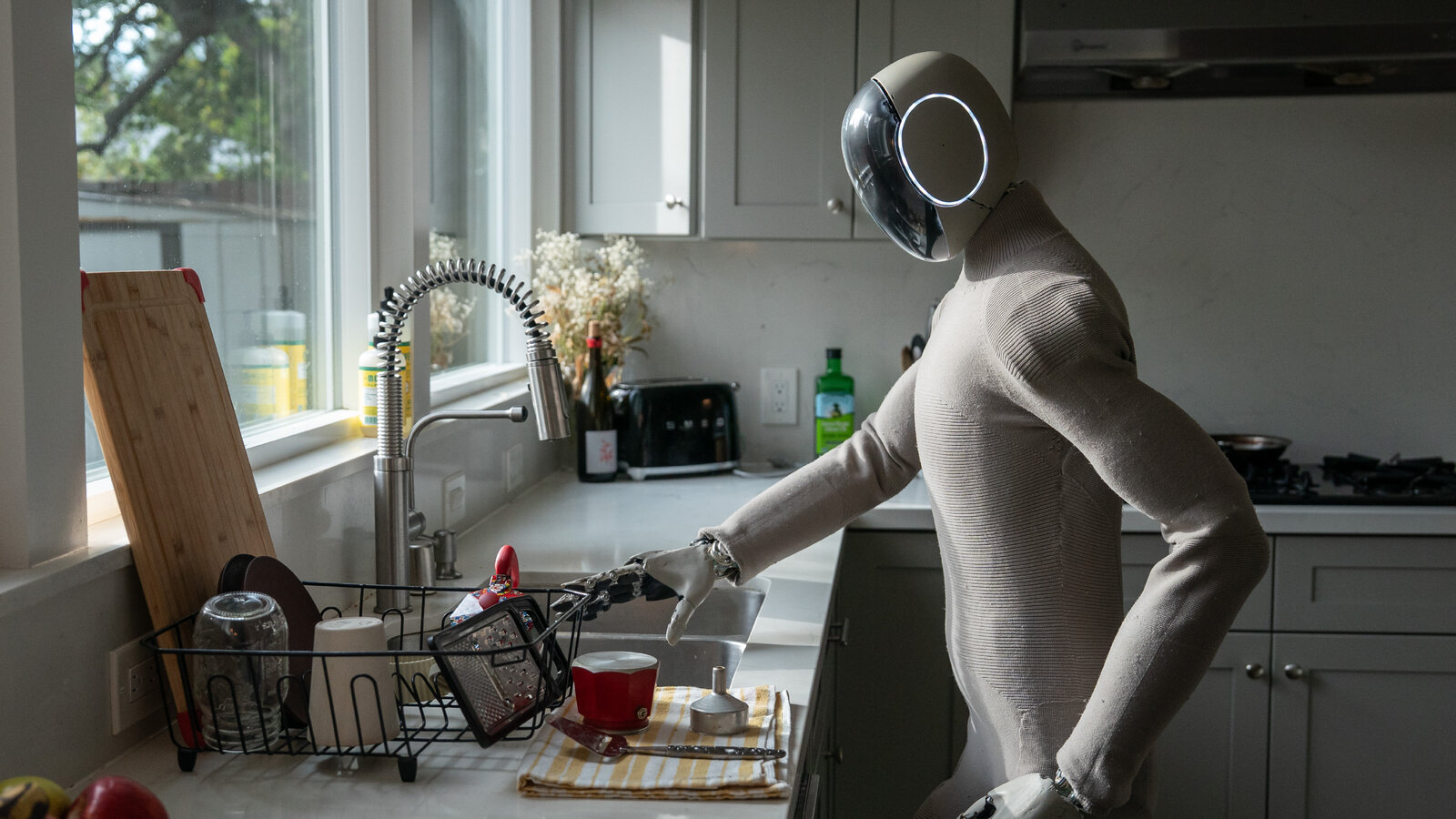
For HomeBotRadar readers, the useful split is wave 1 vs wave 2. Analysts agree the money is flowing into factories and logistics first. Living-room humanoids sit in the post-2030 services bucket in Barclays' model — the same bucket that includes elderly care and hospitality.
That lines up with what we see in the catalog today: buyable home bots are mostly companions, pets, and desk units (Vector, Loona, aibo), while humanoids like Unitree G1 and Figure 02 still read as early pre-order or limited enterprise plays, not mass home appliances.
Ives also notes the core humanoid leaders are still private. Public-market exposure today is mostly chips, sensors, and supply chain — not a ticker for the robot in your kitchen.
What this means for HomeBotRadar
This is a market outlook story, not a new spec sheet or price change. We are not updating readiness or reality scores on any robot because of analyst forecasts alone.
The indirect signals matter: China cost and install lead, a two-wave rollout that puts home use later, and investor talk of $50k-class humanoids before any mass consumer MSRP exists. If you are shopping for a home robot in 2026, the actionable lane is still companions and pets you can order today — not a trillion-dollar humanoid thesis.
We will revisit catalog scores when vendors publish verifiable home specs, buyer pricing, and ship windows — not when banks resize their TAM slides.
View Unitree G1
Tracks robot specs, readiness scores, and field confirmations for HomeBotRadar.
Comments
No comments yet
Be the first to share a question or hands-on note.