UBTech pitches U1 as a lifetime loyal companion as global press picks up China's emotional humanoid push
UBTech's UWORLD U1 full-size companion humanoid is drawing global AFP coverage for its "never betray you" pitch, yuan pricing from 119,800, and 13,300-plus pre-orders ahead of September deliveries.

UBTech wants you to think of the U1 as a roommate who never ghosts you. AFP reporting from Shenzhen quotes UWORLD brand lead Michael Tam saying the bionic robots can offer "a lifetime of friendship," stay loyal, and "love you unconditionally." That is a lot of emotional weight for a product category that already triggers privacy debates and uncanny-valley discomfort.
The timing matters for home-robot watchers. UBTech opened JD.com presales for the UWORLD line in early June, then held a global launch event in late June where it quoted public yuan MSRP bands, 13,300-plus cumulative orders, and September delivery targets. International outlets are now recycling the same AFP photo package, which is how a companion humanoid pitched at lonely seniors in China lands on evening news abroad.
Pricing and trims
AFP and PR Newswire cite a 119,800 yuan (~$17,600) entry price and an Ultra tier up to 990,000 yuan (~$145,700). Trade coverage breaks that into three consumer trims:
- U1 Lite: semi-torso edition from 119,800 yuan
- U1 Pro: full-body companion at 169,800 yuan
- U1 Ultra: high-dynamic full body at 880,000 to 990,000 yuan depending on male or female build
That is still luxury-car money for a social robot, but it is orders of magnitude below UBTech's Walker industrial humanoids that enterprise buyers quote in the millions of yuan. The U1 is explicitly not a developer kit: presale pages describe a closed consumer product with no secondary development support.
"You will never be betrayed"
At the launch, Tam framed companionship as the product. AFP quotes him saying the robots were built to accompany users for life and will "never betray you," stay loyal, and love you unconditionally.
Customization is part of the pitch. Pay enough and UBTech will tailor hair, facial features, and outfits so the robot can resemble a family member, a celebrity, or a fictional character. Launch visuals leaned sci-fi: game-inspired styling, a spaceship backdrop, and silicone skin close enough that guests on the show floor poked cheeks to test texture.
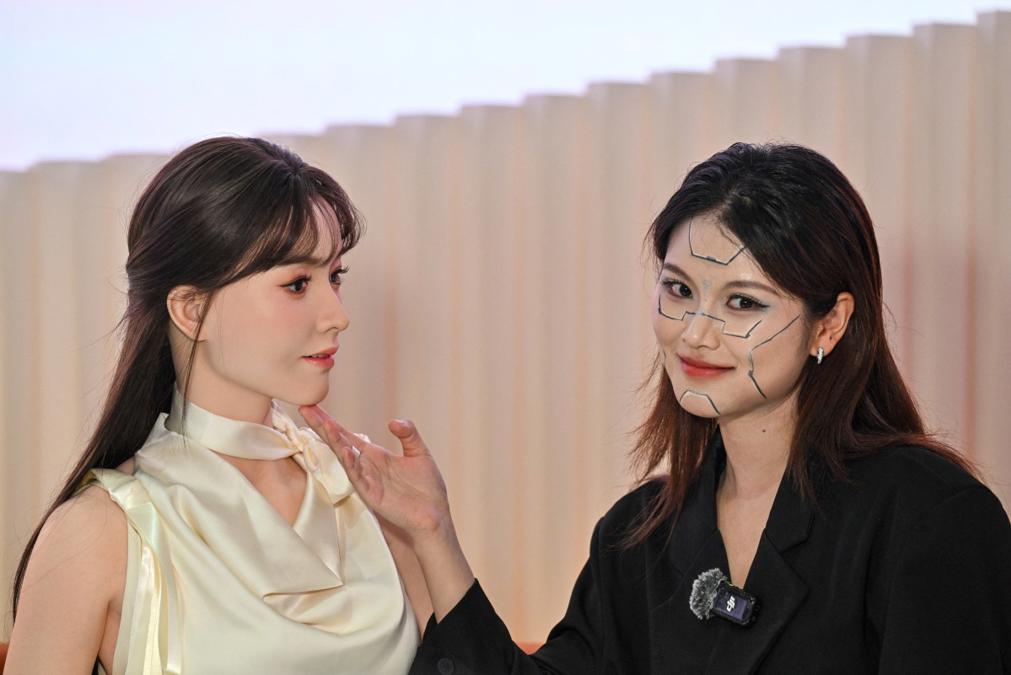
Founder Zhou Jian (James Zhou) used the same stage to position UWORLD as a consumer brand separate from factory Walker deployments. The company also announced a Human-Robot Companionship Initiative, including plans to donate 100 customized U1 units in 2026 for vulnerable groups such as children separated from parents and older adults living alone.
What the U1 is supposed to do at home
UBTech bills the U1 as the world's first full-size, mass-production ultra-realistic humanoid built for companionship rather than warehouse throughput. Launch reporting lists the practical hooks:
- Male and female builds with eye cameras, chest sensors, and microphone arrays
- Mood-aware chat: detect fatigue or stress and respond with calming dialogue
- Memory over time: learn preferences and personalize conversation (company cites on-device Agent Memory OS in trade materials)
- Health nudges: medication reminders and prompts to watch for possible health issues
- Social prompts: suggest shared activities such as watching a World Cup match together
- Battery: up to about four hours per charge on basic models in AFP reporting; earlier presale copy cited 2 to 4 hours depending on trim
The basic U1 can move its head, eyes, and mouth. AFP is explicit about limits: no housework, no cooking, and no bedroom features. This is a conversation and presence machine, not a Unitree G1-style chore platform.

Under the skin, PR Newswire and South China Morning Post describe 88 servo joints, silicone exteriors, and emotional AI running locally on a Rockchip RK3588 processor with user data stored on the device rather than uploaded to the cloud.
Who UBTech is selling to
Tam told AFP the addressable market in China is "colossal": roughly 120 million people living alone and about 320 million adults over 60. UBTech says loneliness and social support needs are the core use case, not factory automation.
That puts the U1 in the same mental shelf as ElliQ, LOVOT, and Tombot Jennie, even though the body looks like a person instead of a lamp or a pet. Analyst Lian Jye Su of Omdia told AFP he sees value in a niche elder-care and mental-wellness market, but warned current models still have to pass the uncanny valley test before mainstream buyers feel comfortable living with them.
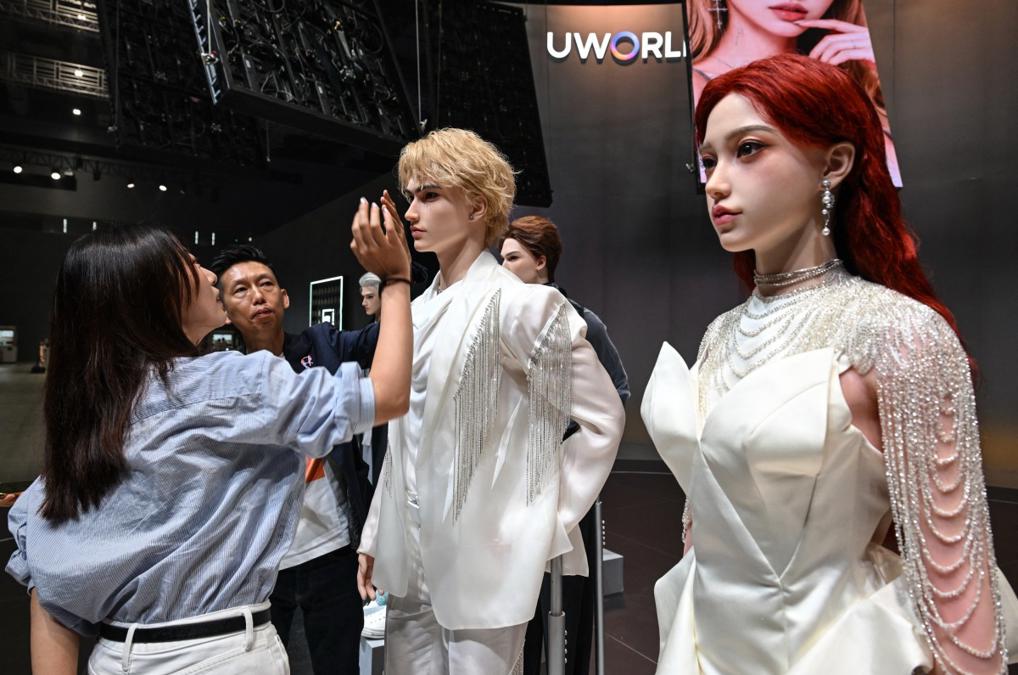
Privacy and the China robotics race
Companion AI always raises two fights at once: who owns the data, and whether users bond too tightly with a machine. UBTech says U1 user data is encrypted and will not be used to train its corporate AI models.
On the industrial side, Barclays data cited in AFP reporting puts about 85% of global humanoid installations in China last year. Beijing treats robotics as a strategic sector; state media count 140+ Chinese firms and 330+ humanoid models on the market. Most of those machines still live in factories and malls. The U1 is a bet that some slice of that supply chain can ship into living rooms.
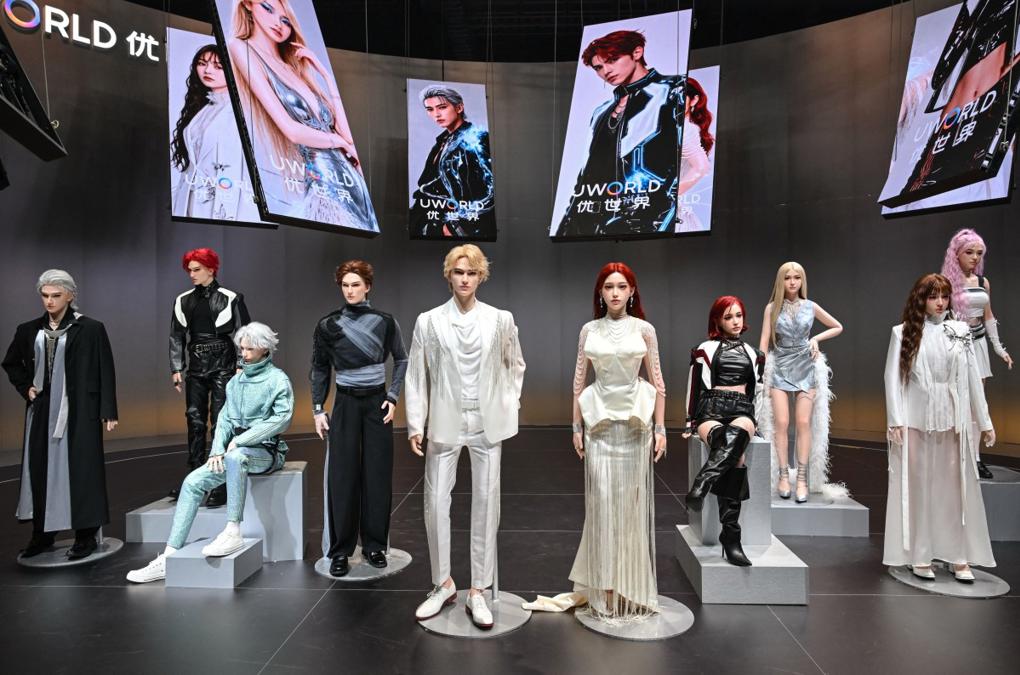
What we do not know yet
We still lack independent month-long home trials, clear warranty terms for silicone skin, and verified behavior when Wi-Fi drops. Global storefronts outside China are unconfirmed. Launch-week demos are also notoriously choreographed; AFP itself notes that many impressive humanoid clips elsewhere remain pre-programmed or teleoperated.
Treat the 13,300 order figure as a company-reported launch metric, not proof that thousands of families have already integrated a U1 into daily life.
What this means for HomeBotRadar
We are tracking the U1 closely but it is not in our robot catalog yet. Our bar is verified specs, scores, and a stable buy path readers can trust. A refundable JD.com deposit and syndicated launch photos are not enough for a full matrix row.
We already covered the June JD.com presale opening. This syndicated launch coverage adds public yuan MSRP bands, on-stage customization demos, and order counts we will watch as September shipments begin. When UBTech posts durable consumer specs, regional availability, and a purchase page we can verify, we will evaluate a UBTech U1 catalog entry alongside companions like Realbotix Aria and LOVOT.
Until then, compare buyable emotional robots on our matrix: LOVOT and ElliQ for proven elder-care and comfort paths, Realbotix Aria for ultra-premium humanoid companionship at a similar price band, or EMO if you want a desk pet at four figures instead of six.
We are not updating any robot scores on this story alone.

Covers product launches, demos, and week-to-week moves in the home robot market.
Be the first to share a question or hands-on note.